
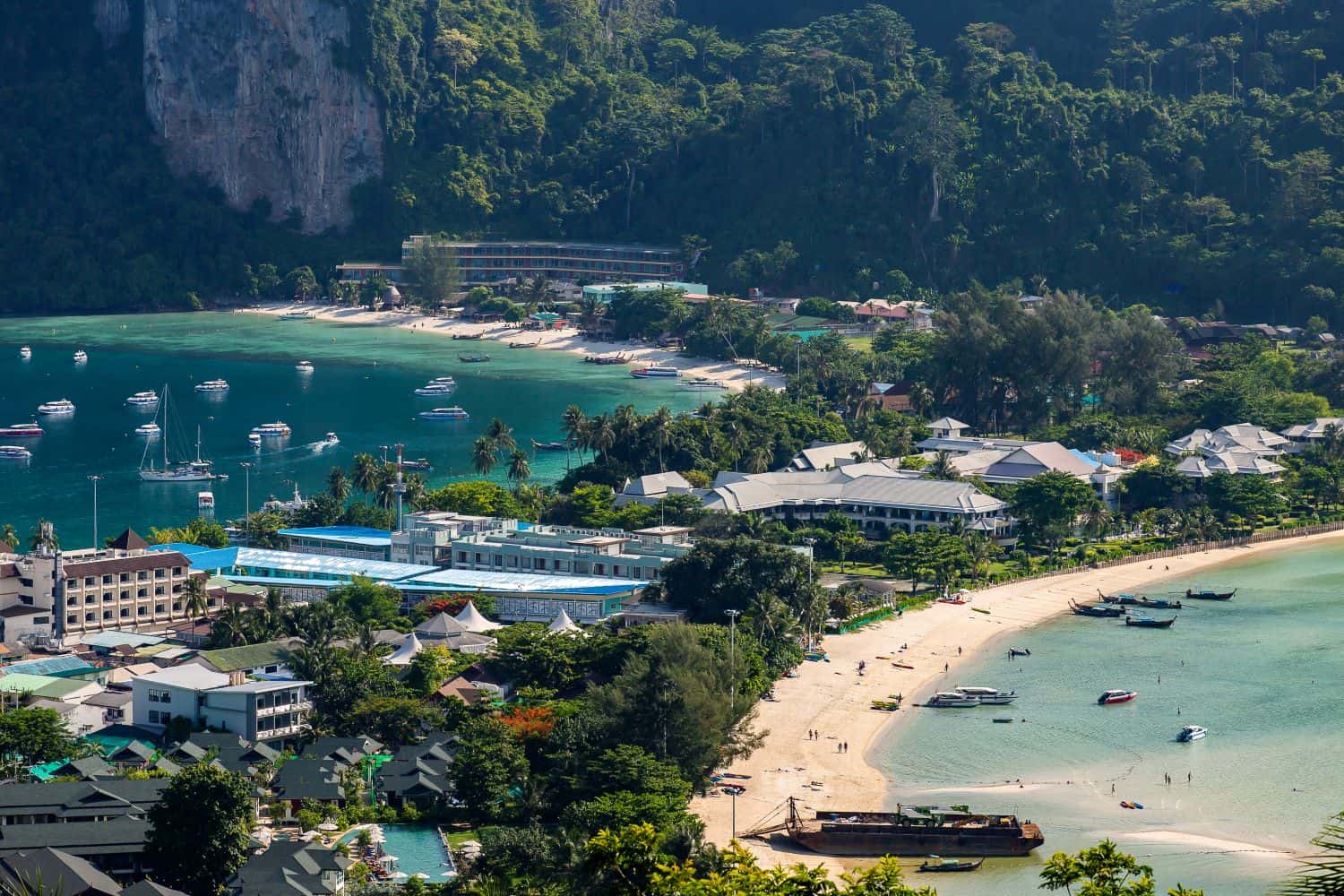
Phuket hotels span everything from cliff-top luxury resorts to friendly guesthouses a short walk from the sand. Whether we’re chasing surf, family-friendly pools, or nightlife that goes on until dawn, the island’s accommodation scene has options that fit different budgets and travel styles. In this guide we cut through the noise: quick context on Phuket’s hotel landscape, where to stay by neighborhood, the types of properties available, and practical booking and on-the-ground tips so we can choose the best base for our trip.
Quick Overview Of Phuket’s Hotel Landscape
Phuket hotels cluster around several coastal hubs and a growing inland scene in Phuket Town. Along the west coast you’ll find the majority, Patong for nightlife and mass-market beachfront hotels, Kata and Karon for families and surfers, and Bang Tao, Surin and Kamala for higher-end resorts and quieter beaches. Inland, Phuket Town offers boutique hotels, artistic guesthouses, and a different kind of charm: heritage buildings, cafes, and easier access to local life.
Over recent years developers have expanded luxury offerings, private villas with pools, wellness-focused resorts, and family compounds, while budget options remain plentiful near busy beaches and markets. All-inclusive is less common than in some destinations, but many resorts bundle meals, transfers, and activities. Our job when choosing is to match the property’s vibe (party vs. quiet), its location relative to the things we want to do, and the amenities we care about.
Where To Stay: Phuket’s Main Neighborhoods And What They Offer
Phuket’s neighborhoods each have a clear personality. Below we break down the main coastal hubs so we can pick the right area before narrowing to individual hotels.
Patong Beach: Nightlife And Convenience
Patong is Phuket’s busiest tourist center, loud, crowded, and endlessly convenient. If we want 24/7 dining, bars, shopping, and easy access to water sports and day trips, Patong’s large hotels and high-rise options put us right in the action. Expect smaller rooms for lower prices compared with quieter beaches, and late-night energy that might be a pro or a con depending on our priorities. For nightlife-first itineraries and short stays where convenience matters, Patong is hard to beat.
Kata And Karon: Family-Friendly Beaches And Surfing
Kata and neighboring Karon are more relaxed than Patong and popular with families and surfers. Both have broad sandy beaches, a steady stream of mid-range hotels, and more space between properties. Surfable waves appear in the monsoon months (roughly May–October), and we’ll find an appealing mix of family pools, beachfront cafes, and budget-friendly guesthouses. If we want beach days with decent local dining options and lower noise levels, Kata or Karon are smart choices.
Kamala And Surin: Relaxed Resorts And Upscale Dining
Kamala and Surin cater to travelers seeking quieter beaches and higher-end dining. Kamala offers a laid-back beachfront atmosphere with family-friendly resorts and a few boutique hotels. Surin, often called ‘Millionaire’s Row’ in off-hand conversation, has upscale restaurants and designer villas. These neighborhoods are ideal for couples or families who want resort-style amenities without Patong’s bustle, and for travelers who place a premium on beach quality and dining.
Types Of Hotels And Who They’re Best For
Phuket hotels fall into clear categories. Understanding which category matches our travel goals shortens the search and helps avoid unpleasant surprises.
Luxury Resorts And All-Inclusive Properties
Luxury resorts here range from cliff-top sanctuaries to beachfront estates with private pools. These are best for honeymooners, families wanting on-site childcare and activities, and travelers seeking wellness programs or villa privacy. While true all-inclusive packages are rarer than in some destinations, luxury hotels often include airport transfers, kids’ clubs, and curated excursions, making them convenient if we prefer to book less locally.
Mid-Range Hotels And Serviced Apartments
Mid-range hotels and serviced apartments balance price and comfort. They’re popular with couples, small families, and longer-stay travelers who want kitchen facilities. These properties often provide reliable breakfasts, pools, and helpful staff, and tend to be concentrated around Kata, Karon, and parts of Phuket Town. For a week-long stay where we want both value and decent amenities, this category is typically the sweet spot.
Budget Hotels, Hostels, And Guesthouses
Budget hotels and hostels are plentiful, especially around Patong and Phuket Town. These suit backpackers, solo travelers, and anyone who’ll spend days exploring rather than hanging at the hotel. Look carefully at location and reviews: a cheap place near the beach might be noisy at night, while a low-cost guesthouse inland can offer calm and great local food. Cleanliness and staff helpfulness vary, so we read recent reviews before booking.
How To Choose The Right Hotel For Your Trip
Choosing the ideal Phuket hotel comes down to aligning our travel purpose, practical needs, and comfort expectations. We suggest a three-step approach: decide the primary aim of the trip, shortlist neighborhoods that match that aim, and filter by must-have amenities and transport options.
Match Accommodation To Trip Purpose (Beach, Party, Family, Romance, Diving)
If our trip is a beach holiday with little moving around, a beachfront resort in Kamala, Surin, or Bang Tao offers convenience and views. For nightlife and quick access to bars and clubs, Patong is the logical pick. Families benefit from hotels with kids’ clubs and shallow pools in Kata or Karon. Divers and island-hoppers should consider staying near Chalong Bay for quicker boat departures. Romance-seekers often choose secluded villas or boutique resorts tucked away from busy roads.
Prioritize Location, Transport, And Proximity To Activities
Distance to the beach, restaurants, and the pier should influence our choice. Phuket’s traffic can be slow, so a 20-minute drive on the map might take longer during peak hours. If we plan multiple day trips, staying closer to main roads or key piers saves time. Also check whether the hotel offers airport transfer or shuttle services, those often simplify arrival and departure logistics.
Key Amenities To Look For (Pool, Kids Club, Airport Transfer, Wi‑Fi)
Pools are almost a must in Phuket’s heat: if we’re traveling with kids a dedicated children’s pool and club make a big difference. Reliable Wi‑Fi matters for remote work or planning: confirm speed and cost. Airport transfer saves negotiation on arrival, and on-site dining or 24-hour reception is valuable after late flights. For active travelers, check if the hotel offers equipment hire (surfboards, snorkel gear) or arranges dive trips.
Booking Strategies And Timing For Best Rates
Smart timing and comparison can cut costs without sacrificing quality. Phuket hotels have clear seasonality, and booking windows depend on whether we prioritize price or room choice.
When To Book And When To Visit (High, Shoulder, Low Seasons)
High season runs roughly November–March: sunny days, peak rates, and busy beaches. Shoulder seasons (April and October) can offer decent weather and lower prices: it’s a good compromise. Low season (monsoon months, roughly May–October) brings heavier rains and the biggest discounts, ideal if we don’t mind occasional storms and want lower rates and less crowded beaches. For peak holidays (Christmas, New Year), we recommend booking months in advance to secure preferred rooms.
How To Compare Prices And Read Reviews Effectively
We compare prices across OTAs and the hotel’s direct site, sometimes direct bookings have added perks like free breakfast or transfers. For reviews, prioritize recent feedback (last 6–12 months) and look for patterns: repeated praise or complaints about staff, cleanliness, noise, or location tell us more than a single glowing or negative review. Photos uploaded by guests are often more reliable than staged marketing images.
Practical Tips For Staying In Phuket
Once we book, a few practical considerations help the stay go smoothly: transportation options, local customs, safety notes, and what to pack. Below are the essentials we rely on for stress-free travel.
Getting Around: Taxis, Tuk‑Tuks, Motorbikes, And Rental Cars
Taxis and metered rides are available but often pricier: agree a fare in advance when no meter is used. Tuk‑tuks are convenient for short trips but can be expensive for tourists, haggle a little. Renting a motorbike is common for independent travelers: we recommend full insurance and experience, as Phuket roads can be busy and hilly. For groups or families, renting a car provides flexibility, but parking and narrow streets in some areas are considerations.
Safety, Local Customs, And Beach/Water Precautions
Phuket is generally safe, but petty theft and beachbag snatching do occur, keep valuables secured and use hotel safes. Dress modestly when visiting temples and follow local customs, like removing shoes. Swim between flagged areas when available and heed lifeguard warnings: currents can be strong on certain beaches and during monsoon months. For water activities, choose operators with clear safety briefings and well-maintained equipment.
Packing And Room Prep (Adapters, Mosquito Precautions, Sun Care)
Bring a universal adapter (Thailand uses types A, B, C), reef-safe sunscreen, and a small first-aid kit. Mosquito repellent is handy for evenings, especially in greener hotels or villas. If we’re staying in a villa or apartment, confirm whether beach towels, safe, and hairdryer are provided, bringing a travel-sized laundry soap can help for longer stays.
Sample 3‑Night Itineraries Based On Hotel Location
To help visualize how hotel choice shapes a short trip, we’ve sketched three different 3-night itineraries tailored to common bases.
Beach Relaxation Focus (Bang Tao/Bophut/Kamala Base)
Day 1: Arrive, check into a beachfront resort, relax by the pool and watch the sunset with a calm dinner. Day 2: Morning yoga or spa, afternoon at the beach, evening at a seaside restaurant. Day 3: Short boat trip to nearby islands or a local market visit, final sunset and seafood dinner before departure.
Active/Surfing Break (Kata/Karon Base)
Day 1: Settle in and test the local waves (rent surfboard or join a lesson). Day 2: Morning surf session, beachside lunch, afternoon exploring viewpoints and local eateries. Day 3: Day trip to Phi Phi or a reef snorkel, evening at a relaxed bar near the hotel.
Culture And Nightlife Mix (Phuket Town + Patong)
Day 1: Explore Phuket Town’s Sino-Portuguese architecture and street food, stay in a boutique hotel. Day 2: Day trip to an island or a waterfall, evening in Patong for dinner and nightlife. Day 3: Late morning market shopping, a museum visit, and a final meal before the airport.
Conclusion
Phuket hotels offer something for every travel style, our choice should reflect how we plan to spend our days: relaxing on quiet sands, chasing surf, exploring culture, or enjoying late-night entertainment. Start by picking the neighborhood that fits your priorities, then narrow by property type and amenities. Book with seasonality and reviews in mind, prepare practically for transport and local customs, and we’ll turn a stay in Phuket into a smooth, memorable part of our travels. Once we get these basics right, the only real decision left is how many beach sunsets we can fit into one trip.
