
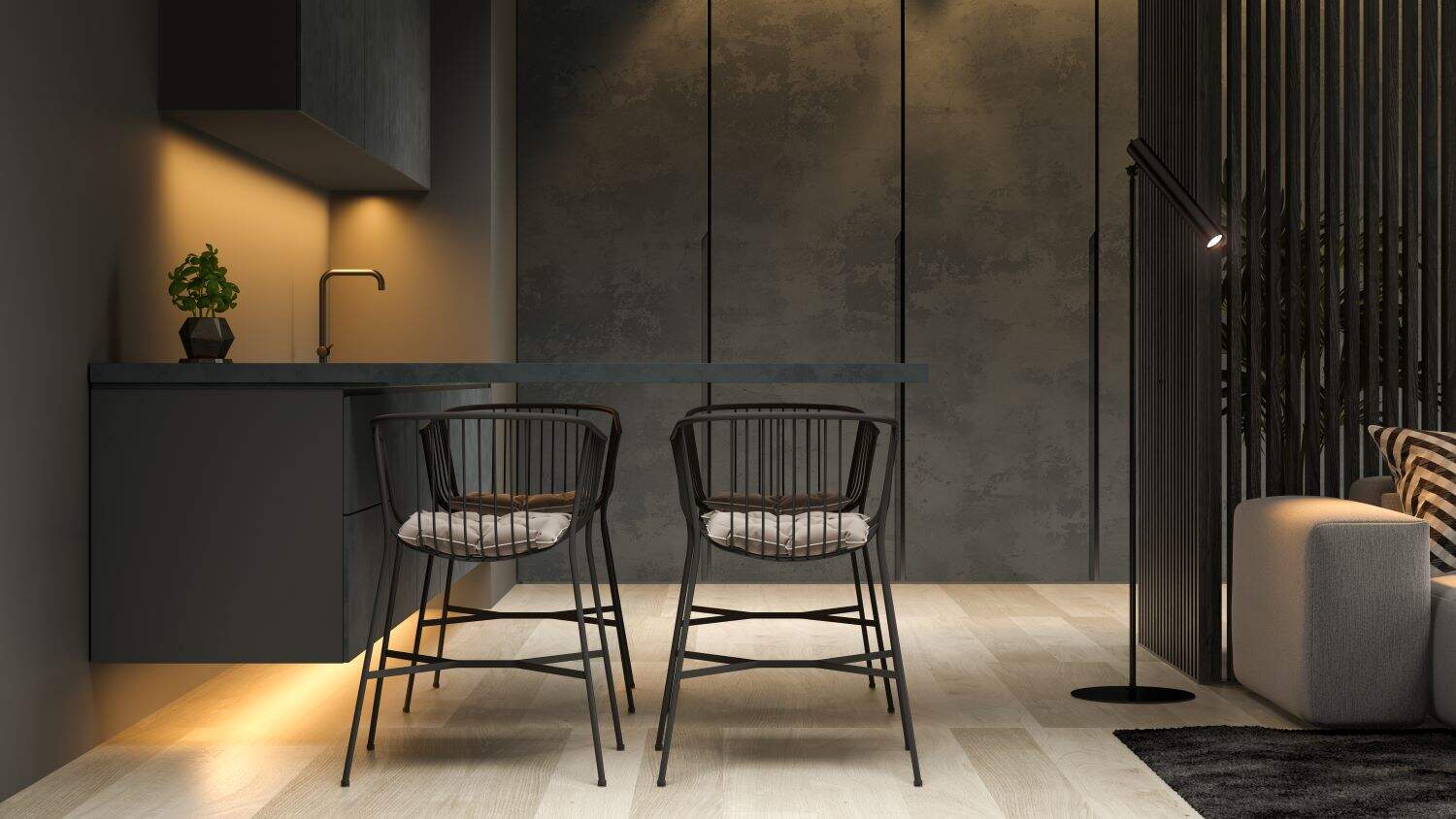
Thailand’s architecture and interiors have long been a crossroads of climate-smart pragmatism, deep craft traditions, and a rapidly evolving contemporary aesthetic. When we talk about interior design in Thailand, we’re not just describing looks, we’re tracing relationships between material, place, ritual, and daily comfort. In this text we’ll walk through the signature styles, materials, spatial strategies, and practical steps for working with local talent so you can design spaces that feel rooted, comfortable, and modern in a Thai context.
Why Thai Interior Design Matters Today
Thailand sits at an intersection of Southeast Asian trade routes, tourism, and a resurging pride in local craft. That combination means interior design in Thailand is both deeply traditional and energetically experimental. For homeowners, developers, and designers, local and international, this presents an opportunity. We can create interiors that respond to heat and humidity, celebrate locally sourced materials, and reflect regional identities (Bangkok’s cosmopolitanism, Chiang Mai’s Lanna heritage, Isan’s rural textures) while staying globally relevant.
There’s also an environmental and economic case. Using regionally available timber, natural ventilation strategies, and long-lived craftsmanship reduces embodied carbon and supports local economies. In short, interior design in Thailand matters because it can deliver beauty, durability, and cultural authenticity all at once.
We’ll cover how to translate those promises into real rooms: the styles to borrow from, the materials that perform well, layout strategies for climate, and how to collaborate with Thai makers and professionals to get it right.
Signature Thai Styles And How To Use Them
Thai interiors are not monolithic. We typically draw from several overlapping vocabularies depending on region, budget, and lifestyle.
Modern Thai
Modern Thai adapts traditional forms to contemporary living. Think clean-lined furniture crafted from teak, paired with neutral walls and purposeful openings for cross-ventilation. We use Thai motifs, subtle carved details, lacquered accents, or silk cushions, without letting them dominate. The goal is restraint: cultural reference as seasoning rather than a full-flavored sauce.
How to use it: start with a simple modern palette and layer one or two Thai artisanal elements, an inlaid wood coffee table, a carved door panel as wall art, or silk throw pillows, to anchor the room.
Traditional Lanna And Isan Influences
In northern Thailand, Lanna forms favor low furniture, deep textiles, and timber structures, while Isan (northeastern) interiors lean on woven mats, rustic finishes, and bold patterned textiles. These regional aesthetics are tactile and story-rich.
How to use them: for an authentic feel, focus on provenance, commission a handwoven pha sin (skirt textile) for upholstery or source a salvaged teak chest as a focal piece. We recommend limiting the number of heavy traditional pieces per room to preserve balance and avoid a museum-like effect.
Tropical Minimalism And Contemporary Bangkok Aesthetics
Bangkok’s skyline and contemporary interiors favor polished materials, glass, and minimalist furniture but with tropical considerations, shading, greenery, and indoor–outdoor fluidity.
How to use it: pair tropical minimalism’s open plans and neutral finishes with potted palms, rattan chairs, and slatted timber screens. The interplay of refined surfaces and organic textures is what makes this style sing.
Materials, Colors, And Textiles Common In Thailand
Selecting the right materials and colors is central to successful interior design in Thailand. They determine longevity in humid climates and convey cultural meaning.
Natural Materials: Teak, Rattan, Bamboo, And Stone
Teak is the king: dense, oily, and resilient to humidity and insects. We commonly specify teak for long-lived furniture and structural joinery. Rattan and bamboo offer lightweight, ventilated options for chairs, screens, and ceilings. Local stone, granite or laterite, appears in thresholds and wet-area finishes.
Practical note: insist on plantation-certified teak where possible to avoid contributing to illegal logging. For rattan and bamboo, confirm protective finishes and joinery details to extend lifespan in humid conditions.
Color Palettes And Cultural Symbolism
Thai color use ranges from the bright hues of festival textiles to the muted earth tones of rural vernacular. In contemporary interiors we favor warm neutrals, sandy beiges, muted ochres, and deep teak browns, then introduce brighter accents (indigo, deep vermilion) via textiles or small decor pieces. Color can also carry spiritual or cultural symbolism: when working with motifs tied to Buddhism or local rituals, use them respectfully and with context.
Textiles, Patterns, And Decorative Arts
Handwoven textiles (silk, cotton) and ikat patterns are central to Thai interiors. Decorative arts, ceramic bowls, gilded frames, and lacquerware, offer small ways to localize a space. When possible, we prioritize handcrafted items for authenticity and durability: mass-produced lookalikes rarely replicate the tactile depth of the originals.
Furniture, Layout, And Indoor–Outdoor Flow
The plan and furniture choices must respond to climate and how people use space in Thailand.
Furniture Selection And Scale For Thai Homes
Scale matters. Traditional Thai homes use low seating and flexible furnishings to create multipurpose rooms. In modern houses and condos, we adapt by choosing modular seating, lightweight dining sets, and storage that keeps humidity-sensitive items sealed.
We recommend simple joinery and ventilated backs for upholstered pieces. For high-traffic or wet areas, choose durable weave materials or teak surfaces. And always test cushion fillings and fabrics for mildew resistance.
Designing For Seamless Indoor–Outdoor Living
A hallmark of Thai living is dissolving the boundary between inside and out. Wide sliding doors, covered patios, and shaded courtyards are common strategies. We design thresholds that can be left open for most of the year, with insect screens and layered shading to maintain comfort.
Planting matters: select native, low-maintenance species that provide shade and reduce heat gain. Consider outdoor living rooms with durable outdoor textiles and raised floors to channel breezes under the structure.
Lighting, Climate Adaptation, And Sustainability
Good design in Thailand must reconcile beauty with the realities of monsoons, sun, and humidity.
Daylight, Ventilation, And Passive Cooling Strategies
We prioritize cross-ventilation, high ceilings, and operable shading. Roof overhangs and deep-set windows cut unwanted solar gain. In multi-story homes, ventilation stacks, clerestories, and interior courtyards act as thermal chimneys.
Passive cooling doesn’t mean sacrificing modern comforts. We integrate ceiling fans, shaded glazing, and thermal mass where appropriate to reduce reliance on air conditioning.
Artificial Lighting And Humidity‑Resistant Finishes
Lighting in Thai interiors should be layered: ambient, task, and accent. Warm-color LEDs complement teak and textiles. For wet and humid areas, select fittings rated for high moisture and finishes with mold-resistant properties. Sealants, marine-grade varnishes, and breathable paints help extend the life of timber and textiles without trapping moisture.
Working With Local Designers, Craftsmen, And Suppliers
To achieve an authentic and durable interior we often collaborate with local professionals. Their knowledge of materials, climate solutions, and regional aesthetics is invaluable.
How To Choose A Designer Or Artisan In Thailand
We advise checking portfolios for regional experience and asking for references on projects that faced similar climate or regulatory challenges. Visit workshops when you can, seeing process and material stewardship firsthand is instructive. For bespoke furniture, ask about joinery details, finishes, and warranty terms.
Language and cultural fit matter. Find designers or firms that clearly communicate in a language you’re comfortable with, or hire a local project manager to bridge gaps.
Budgeting, Timelines, And Permit Considerations
Expect timelines to be influenced by seasonal factors (monsoon-related delays), the availability of reclaimed timber, and custom fabrication lead times. Budgets should include contingencies for import permits if you’re bringing in specialized fixtures, and fees for local permits or structural modifications. We suggest building a 10–15% contingency into remodeling budgets and confirming permit lead times early to avoid schedule slips.
Conclusion
Interior design in Thailand rewards thoughtful restraint: select materials that age gracefully in humidity, respect regional craft traditions, and design plans that invite breezes and daylight. Whether we’re interpreting Lanna textiles in a Chiang Mai home or layering tropical minimalism into a Bangkok loft, the best interiors balance climate-smart strategies with cultural authenticity.
When we work with local designers and artisans, we don’t just get a more durable result, we participate in a living design tradition. The payoff is a space that feels right for place, comfortable year-round, and unmistakably Thai.
