
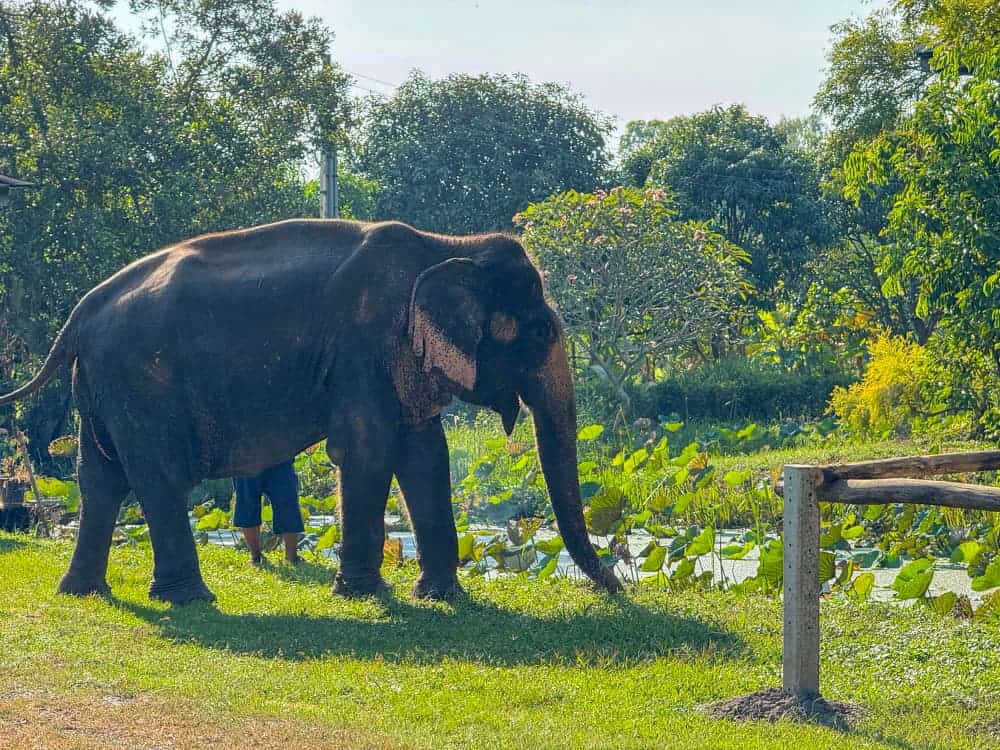
Thailand offers numerous opportunities to connect with elephants in ways that prioritize animal welfare. Ethical elephant sanctuaries focus on the well-being of rescued animals, avoiding exploitative practices like riding or performing. Visitors can observe natural behaviors, learn about conservation, and contribute to rescue efforts. This guide explores how to identify and visit these sanctuaries, ensuring experiences that support elephant welfare. With growing awareness of ethical tourism, more travelers seek sanctuaries that provide mud baths, feeding sessions, and educational tours without harm. Key aspects include understanding Asian elephant behaviors, the impact of visits on conservation, and options for volunteering. Sanctuaries often house rescued elephants from logging camps or circuses, offering a chance to see their recovery process. By choosing ethical options, travelers directly aid in protecting this endangered species. This comprehensive guide provides practical steps for planning a meaningful visit, drawing from established practices in Thailand’s elephant rescue parks.
How to Have an Ethical Elephant Experience in Thailand
Selecting an ethical elephant sanctuary involves verifying that no riding, chaining, or unnatural interactions occur. Look for facilities that emphasize observation and education over direct contact like bathing or touching. Many sanctuaries in Thailand, particularly in regions like Chiang Mai and the islands, rescue elephants from abusive environments and provide spacious habitats for natural behaviors. Travelers should research operators that partner with conservation groups and share transparent information about their animals’ backgrounds. For instance, ethical sites often detail how elephants were saved from tourism or logging industries. Planning a visit starts with checking reviews from trusted sources and confirming policies on animal handling. Morning or afternoon tours typically include guided walks where visitors learn about elephant diets and social structures without interference. These experiences highlight the importance of elephant welfare in Thailand, where overexploitation has led to numerous rescues. By focusing on non-invasive activities, visitors ensure their trip contributes positively to conservation efforts. Ethical sanctuaries also educate on broader issues like habitat loss, making the visit informative and impactful.
Identifying True Ethical Practices
To spot a genuine ethical elephant sanctuary, examine if elephants roam freely in large enclosures mimicking their natural habitats. Facilities that chain animals or force performances signal unethical operations. Reputable ones provide veterinary care and enrichment activities, such as foraging for food, which aligns with Asian elephant behaviors. Visitors can ask about daily routines; ethical sites ensure elephants rest without human demands. Transparency in rescue stories, like saving elephants from floods or abuse, builds trust. Avoid places offering rides, as these cause spinal injuries and stress. Instead, opt for observation platforms that allow safe viewing. This approach respects the animals’ needs, including their requirement for up to 50 gallons of water daily and social interactions within herds. Ethical experiences foster empathy and encourage ongoing support for elephant welfare Thailand initiatives.
Best Times for Ethical Tours
Ethical elephant tours in Thailand often run in morning or afternoon slots to match the animals’ active periods. Mornings suit cooler weather and fresher elephant energy, while afternoons allow observation of relaxation behaviors. Book in advance, especially during peak seasons, to secure spots in small groups that minimize disturbance. Tours typically last 2-4 hours, including travel time from nearby areas like Koh Phangan. Early starts, around 7am, align with natural feeding times, providing insights into how sanctuaries manage diets of fruits and grasses. This timing enhances the educational value, showing how rescued elephants adapt to sanctuary life. Flexible scheduling accommodates different traveler needs, ensuring a stress-free visit focused on ethical observation.
Choosing an Ethical Elephant Sanctuary in Thailand
Thailand’s ethical elephant sanctuaries vary by location and offerings, from mainland parks to island-based rescues. Key factors include the facility’s rescue history, animal living conditions, and visitor policies. Popular areas like Chiang Mai host large-scale operations with over 70 elephants on expansive properties, while island sanctuaries near Samui emphasize smaller, intimate experiences. Evaluate sanctuaries by their commitment to no-contact rules and focus on rehabilitation. For example, check if they house a mix of ages, from young playful males to elderly females, indicating comprehensive care. Proximity to tourist hubs affects accessibility, with many offering pickups for a seamless journey. Costs reflect the ethical standards, often higher than exploitative sites but justified by conservation funding. Travelers benefit from selecting places that integrate education on endangered elephant species survival, connecting personal visits to global efforts. This choice supports long-term welfare, as sanctuaries reinvest fees into habitat improvements and veterinary services. Detailed online resources help compare options, ensuring the selected site aligns with personal values for an impactful trip.
Comparing Mainland vs. Island Sanctuaries
Mainland sanctuaries, such as those near Chiang Mai, offer vast spaces like 250-acre properties for herd dynamics. Island options, including Koh Phangan sanctuary sites, provide serene settings with beachside views but smaller scales suited to fewer elephants. Mainland visits involve longer drives, around 90 minutes from cities, while islands integrate easily into vacation itineraries. Both prioritize ethical practices, but islands often feature feeding programs that highlight local rescue stories. Choose based on travel plans; mainland for immersive volunteering, islands for relaxed tours. Each type contributes to elephant rescue park goals, with mainland facilities handling more complex recoveries and islands focusing on community education.
Cost and What to Expect
Entry to ethical elephant sanctuaries ranges from budget-friendly day visits to premium volunteer programs. A standard tour might cost several hundred baht, covering guided experiences and meals. Volunteer options, like one-day or full-day programs, add hands-on elements such as preparing food, priced accordingly to support operations. Expect inclusions like transportation and educational talks, making the value clear. Higher fees ensure ethical standards, funding rescues and care without relying on harmful activities. Budget for extras like souvenirs that benefit the sanctuary. This investment yields memorable insights into Asian elephant behaviors and the recovery process for rescued elephants.
Volunteering at Ethical Elephant Sanctuaries
Volunteering provides a deeper engagement with ethical elephant sanctuaries in Thailand, allowing participation in daily care without direct animal handling. Programs range from half-day sessions to week-long stays, focusing on tasks like food preparation and enclosure maintenance. Sanctuaries value volunteers for their support in running operations, often housing groups in simple accommodations. A typical day begins early, around 7am, with morning duties followed by breaks and afternoon work. This structure mirrors the sanctuary’s rhythm, emphasizing elephant welfare through non-intrusive help. Volunteers learn about rescued elephants’ healing, from physical therapy to behavioral rehabilitation. Such involvement amplifies the impact of visits, as participants contribute to conservation while gaining knowledge on elephant life expectancy in protected settings. Ethical volunteering avoids any form of domination, promoting observation of natural interactions. Many programs include orientation on sanctuary ethics, ensuring volunteers understand their role in broader elephant tourism reforms. This hands-on approach suits those passionate about wildlife, offering fulfillment through tangible contributions to animal recovery.
Types of Volunteer Programs
Ethical sanctuaries offer morning and afternoon tours as introductory volunteering, involving light tasks like chopping fruits for the elephant feeding program. Full-day options extend to cleaning and monitoring, providing comprehensive exposure. Longer programs, up to a week, include overnight stays with structured schedules of 2-3 hours of work per session. These cater to diverse commitments, from quick visits to immersive experiences. Participants assist in activities that support Asian elephant behaviors, such as setting up mud baths for skin health. Selection depends on availability and group size, often limited to maintain calm environments. Each program educates on the sanctuary’s role in elephant rescue, enhancing volunteers’ understanding of welfare challenges.
What to Pack for Volunteering
Practical packing ensures comfort during ethical volunteering at elephant sanctuaries. Essentials include lightweight clothing for Thailand’s climate, sturdy closed-toe shoes for walking on uneven terrain, and insect repellent. Bring sunscreen, a reusable water bottle, and a hat for sun protection during outdoor tasks. For longer stays, pack a book for downtime and comfortable sleepwear for on-site lodging. Avoid valuables, as focus remains on activities like the feeding program. These items support participation in mud baths observation or trail maintenance without distractions. Preparation aligns with the sanctuary’s emphasis on simplicity, mirroring the natural, low-impact lifestyle promoted for elephant care.
Elephant Tours and Programs in Thailand Sanctuaries
Elephant tours in Thailand at ethical sanctuaries emphasize education and respect, featuring guided walks and feeding observations. Morning tours capture active herd movements, while afternoon sessions highlight restful behaviors. Programs like the elephant feeding program allow safe viewing of meals, teaching about dietary needs without interference. Sanctuaries near Koh Phangan offer island-specific tours integrating local ecosystems. These experiences reveal facts about elephants, such as their social structures and recovery from captivity. Tours often include talks on how visits fund rescues, connecting tourism to conservation. Small group sizes ensure minimal stress, aligning with welfare standards. Participants leave with greater appreciation for endangered species survival, inspired to advocate for ethical practices. Such programs transform travel into purposeful engagement, showcasing Thailand’s commitment to elephant protection.
Morning vs. Afternoon Elephant Tours
Morning elephant tours start with cooler temperatures, ideal for observing foraging and social play among rescued elephants. These sessions, often including breakfast, provide energy for learning about sanctuary operations. Afternoon tours focus on calmer activities, like watching mud baths that aid skin health and cooling. Both formats last a few hours, with transitions to educational segments on elephant behaviors. Morning options suit early risers seeking vibrant interactions, while afternoons appeal to those preferring relaxed pacing. Each tour type supports the sanctuary’s goals, offering insights into daily life without disrupting natural routines.
Participating in Feeding and Volunteer Programs
The elephant feeding program at ethical sanctuaries involves preparing and observing meals, highlighting the massive daily intake required for health. One-day volunteer programs add elements like habitat upkeep, fostering direct support for welfare. Full-day versions extend learning on recovery processes, from initial rescues to long-term care. These activities educate on differences in elephant life expectancy between wild and captive settings, emphasizing sanctuary benefits. Participation requires following guidelines to avoid stress, ensuring positive outcomes for both animals and visitors. For more on island-based options, explore resources like the elephant sanctuary samui, which details ethical approaches in the region.
The Impact and Recovery at Ethical Elephant Sanctuaries
Visiting or volunteering at ethical elephant sanctuaries creates lasting impacts by funding rescues and raising awareness. Fees support veterinary care, habitat expansion, and anti-poaching efforts, directly aiding endangered Asian elephants. Sanctuaries demonstrate how recovered animals thrive, showing improved behaviors post-rescue. Travelers witness the healing process, from overcoming trauma to forming bonds in safe environments. This visibility encourages ethical tourism, reducing demand for exploitative alternatives. Educational components cover amazing facts about elephants, like their memory and empathy, deepening visitor connections. By choosing these sites, individuals contribute to global survival guides for the species, promoting sustainable practices. The ripple effect extends to communities, as sanctuaries often employ locals in conservation roles. Overall, these experiences empower travelers to make informed choices, fostering a future where elephant welfare in Thailand flourishes.
How Visits Support Elephant Recovery
Each visit to an ethical sanctuary bolsters the recovery process for rescued elephants, financing therapies and nutrition tailored to their needs. Programs highlight progress, such as elephants regaining trust after abuse. This support accelerates healing, allowing animals to exhibit natural behaviors like trunk usage in social play. Visitors learn how sanctuaries address captivity’s toll, contrasting it with wild life expectancies. Positive interactions through observation reinforce the value of ethical choices, sustaining ongoing rescues.
Long-Term Benefits for Elephant Welfare
Ethical sanctuaries ensure long-term welfare by providing lifelong homes free from exploitation. Recovered elephants often live longer, benefiting from specialized care that wild counterparts lack due to threats. These facilities educate on survival challenges, inspiring advocacy. Sustained visits build community support, enhancing protection efforts across Thailand and beyond.
In summary, discovering ethical elephant sanctuaries in Thailand involves informed choices that prioritize animal well-being. Key takeaways include verifying no-contact policies, selecting programs like tours or volunteering that align with personal interests, and understanding the broader conservation impact. Travelers can plan visits by researching locations, packing appropriately, and embracing educational opportunities. These steps ensure meaningful experiences that support rescued elephants’ recovery and promote sustainable tourism. For those in the Samui area, Samui Elephant Haven offers aligned services worth considering.
